

How To Draw A Plan For House Extaension
If y'all're planning to extend a business firm then you are in the correct place. Extending your home will let you lot enjoy more family space, and information technology can even up the value of your belongings to make moving easier downwardly the line. As one of the near life changing home improvement projects y'all could take on – requiring extra intendance when planning – we have put this skillful guide together to help you every step of the way.
From designing your dwelling house, to permitted development rights and building regulations, y'all'll observe everything you need to know about extending the business firm right here.
Keep reading to get your building project off the ground and for information on the cost of an extension y'all can expect to our characteristic.
How to extend a firm: planning
Planning a firm extension – from getting the required paperwork in identify to agreeing the contract with your chosen architect – is vital, to ensure that your extension schedule runs smoothly and to continue you on budget. This is what to consider.
Applying for planning permission when extending a business firm
Gaining planning permission is an important stage in the procedure of planning an extension, but tin can be catchy to navigate if you're not in the know. Use our expert guide to planning permission to discover out more, and brand sure you have gone through your plans thoroughly with an architect or builder who is familiar with the local planning authorisation and their preferences.
Every bit a general guide, when edifice a more ambitious extension y'all will need planning permission if:
- Your extension covers half the area of land surrounding your domicile;
- If you are extending towards a road;
- You are increasing the overall height of the building;
- You lot are extending more than six metres from the rear of a semi-detached house;*
- Y'all are extending more than than eight metres from the rear of a detached firm;*
- Your single storey extension is taller than four metres;
- Your single storey extension is to the side of the belongings and more half the width of your house;
- You are using materials that differ from the original manner of the firm;
- Y'all plan on building a balcony or raised veranda;
- Your house is listed.
Other planning considerations for firm extensions
What else might bear on your planning application that you hadn't considered? Here are just a few things to conduct in mind when you're planning an extension.
Overlooking neighbours
Features such every bit upper-floor balconies can be contentious if they overlook the neighbours. For windows, yous can use obscure frosted glass, install them at a loftier level, or fit skylights.
Overshadowing neighbours
Building a ii-storey, or higher, extension too far out from the dorsum of the house into your garden may overshadow the neighbours, which will limit the permissible size.
Highways and your extension
If your proposed extension could interfere with visibility for motorists, it will also limit how far out y'all can build.
'Some other gene to bear in mind when building within three metres (or in some cases, six metres) of neighbouring buildings is the Party Wall etc Act, which requires you lot to formally notify the adjoining owners two months in advance of the proposed project,' says Ian Rock. (See planningportal.gov.u.k..)
- Observe how to apply for planning permission in our guide.
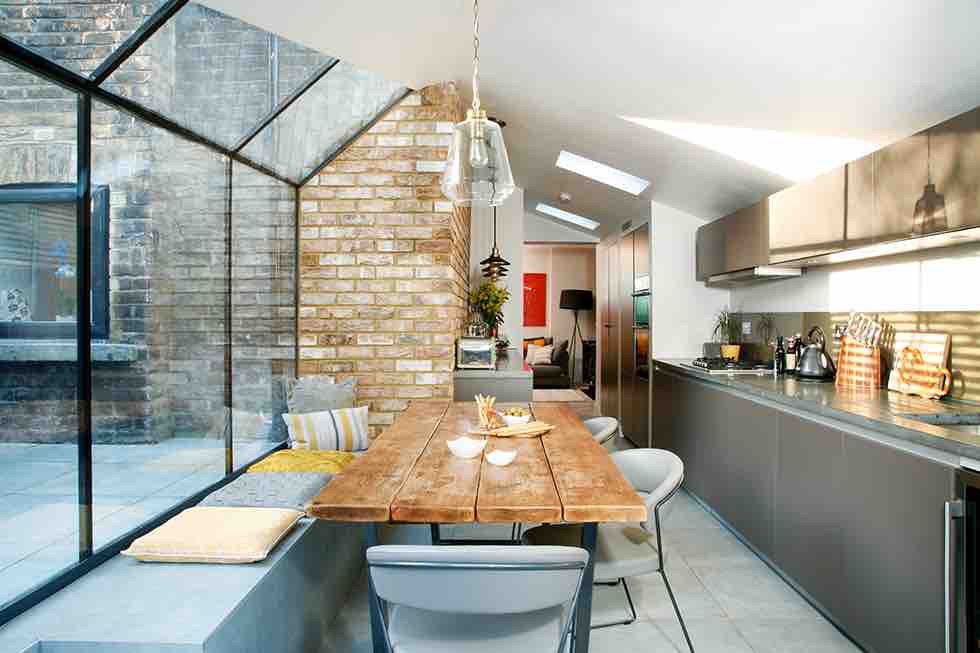
(Image credit: IQ Drinking glass)
Considering access problems when extending a house
Organising the access to your extension is an important early on step to consider when planning a business firm extension because it could limit your design options. So, if access to the rear of your home is restricted, perhaps considering you lot live in a terraced house, you will need to talk to your builders and neighbours early on in the process to ensure y'all won't be causing bug for later on in the build. Having materials craned over a house is possible merely it's extremely expensive and you need to get the agreement of the council to close the road temporarily.
What to practice if your extension's planning application is rejected
If you lot're planning to extend a business firm and your application is refused hither'south what volition happen: your planning refusal notice will outline whether or non you can appeal and specify a time catamenia in which an appeal must exist submitted. An independent planning inspector, who will accept into business relationship national and local policy, besides as the touch on of the proposal, will and so consider the appeal.
Making changes to your extension's design after planning permission is given
Sometimes changes to an extension'southward design are unavoidable and whatsoever that are slight should be given the okay with few issues. Even so, any meaning changes made to your extension's design afterwards the planning application has been approved volition require a retrospective subpoena, or a new application all together. Observe out more in our planning permission guide.
Planning an extension under permitted development rights
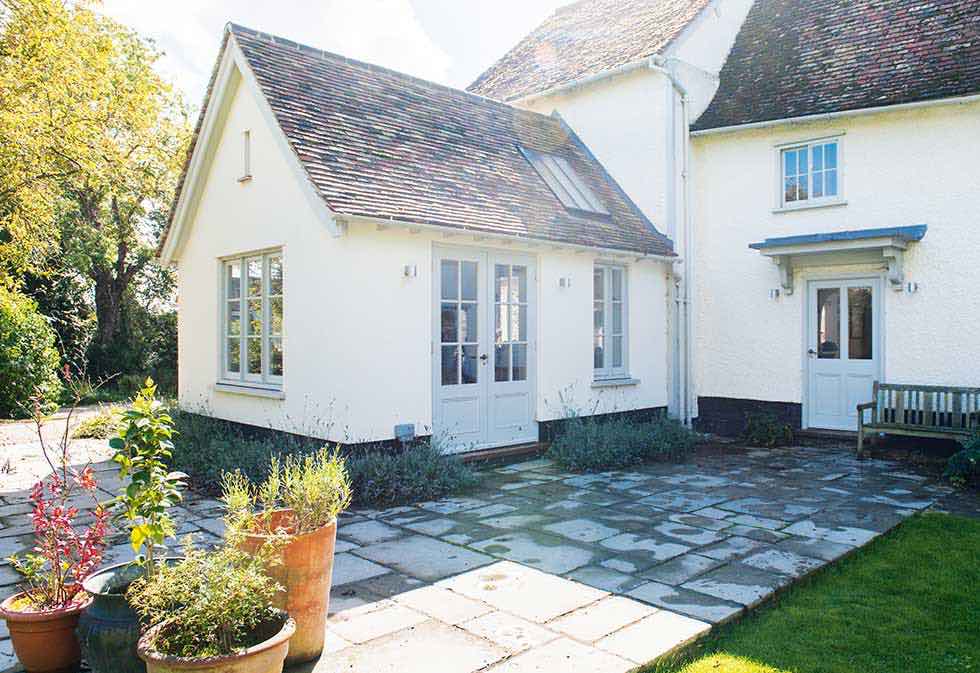
'Homeowners are sometimes surprised at how much can be congenital on to a house nether permitted development rights,' says Alan Cronshaw of Acronym Architecture & Blueprint.
Side render extensions are a proficient example. In many cases, 2-storey side extensions may not even be a trouble, just it's a good idea to discuss your proposals with the planners before spending money on cartoon up detailed plans. Even in conservation areas you tin can build rear extensions as long as they come across the size criteria and are in matching materials.
Building regulations for extending a firm
This is important to cistron into your extension planning routine.
All dwelling extensions need to comply with the building regulations. Most patently, this relates to structural stability — including foundations, window and door openings, lintels, beams and roof structures. Therefore, your design will normally need to incorporate a structural engineer'due south calculations, submitted together with drawings equally part of your edifice regulations application.
When it comes to submitting your application, you can either practice this via local authorisation building control, or an independent house of approved inspectors. Either way, there are ii ways of making an application — either full plans, or the short-cut method known as a edifice notice.
For a major project such as an extension, it makes sense to become your design approved with the former before yous offset piece of work, otherwise you could come across problem if your projection doesn't comply with the regulations.
'When work is due to offset, information technology is essential to liaise regularly with edifice control, as they will need to acquit out site inspections at fundamental stages, commencing with get-go on site and digging of foundations. Finally, in one case your new extension is built, don't forget to obtain proof of compliance in the form of a completion certificate — this is a key document when y'all come to sell.'
What to submit to make certain you comply with building regulations:
- Completed application class;
- estimate of costs;
- the appropriate fee;
- two copies of detailed drawings at a scale of 1:100 minimum;*
- ii copies of a site plan showing the proposal, site boundaries and sewer positions;*
- two copies of whatever plans and specification to back-trail drawings including structural pattern and calculations;*
- iv copies of plans for buildings covered by fire prophylactic legislation, showing burn resistance, fire detection, alarms, emergency lighting, means of escape and signage.*
*If online applications are accepted, merely a unmarried copy of each plan is required.
Planning an extension? Comply with fire regulations
Nearly extensions should naturally comply with fire regulations thanks to the inert qualities of edifice materials such equally plasterboard, bricks and concrete blocks, which can unremarkably resist the spread of fire for at least thirty minutes.
Nonetheless, where you accept whatsoever exposed major structural components such as timber posts and steel beams, they will commonly need to be protected, for example with skimmed plasterboard lining. Also, where holes are cutting in ceilings for recessed lighting, they may demand to be fitted with fire hoods. Extensions built with modernistic timber-frame wall panels are lined internally with inert plasterboard and also incorporate integral cavity barriers to slow the passage of fume and fire.
If your design includes an integral garage, and so the walls and ceilings demand to resist fire – which nigh materials should manage, although special pink-coloured plasterboard (fireboard) is the ideal cladding for ceilings and stud walls. Ceilings to integral garages must be plastered, and any doors from the house must be burn down doors with a suitable pace down into the garage (normally 10cm).
Requirements get a lot more enervating for extensions of three storeys or more. Considered as office of the newly enlarged house, this might involve plumbing equipment special fire doors to all new and existing rooms too as ensuring there is a safe escape corridor (normally via the landing and stairs) down to a primary exit door, with the stairs protected with a fireproof lining.
If your extension is two storeys or higher, it is best to assume that you need to fit a mains-operated smoke alarm to the upstairs landing(s) in the newly extended house.
(Image credit: Brent Darby)
Hiring an architect or designer to plan an extension
Information technology's always all-time to pick a designer with a fashion or runway tape of projects that match upwards to what you're trying to reach. Ideally, a local house is a better choice than one that's distant, since they will be more familiar with the local vernacular and the local council's foibles.
'Organisations such as the Federation of Primary Builders, Abode Improvements Guarantee, Which? Local and Checkatrade offer builders who have been assessed in some way,' says Kate Faulkner. 'Make sure they have insurance and a warranty service that survives something happening to them or their business, and cheque they are happy to sign a contract.'
'It is good to accept a brief for your designer, but this can be loose,' says Alan Cronshaw of Acronym Architecture & Design. 'If you want an open-plan layout, a better human relationship between house and garden or simply more than space, your designer volition advise yous on how to achieve this, perhaps with options. If y'all want expensive items, such every bit a certain make of kitchen, or bi-fold or large sliding doors, let the designer know so the added price can be factored into your upkeep.'
Bear in mind that some designers will charge for an initial visit. Check their fee structures and flexibility before you engage, too.
Y'all tin can find architectural technologists on ciat.org.uk and architects via architects-register.org.u.k. or RIBA. Find out more in our guide to working with architects.
Planning an extension: find the best builder
We all know that recommendation from friends or neighbours locally, likewise as via trade bodies such as the Federation of Main Builders, is the best way to find a good architect. Questions to ask when looking for referrals? Was the project completed to schedule and as expected? Was it finished on budget? Were in that location any unforeseen bug and how were they dealt with?
Ask to run across examples of previous piece of work and talk to past clients too. Compare at least three written quotations and ask for clarification on any particular so you're comparing like for similar. Finally, make sure you're comfortable – yous'll be working closely for months.
'Decide if you want to use a larger, faster but more expensive firm that may be more flexible, or a smaller firm that will be less expensive,' says Marta de Sousa of property developers Lux Reality.
'Brand sure that any contractors y'all use have warranties in place, such as Masterbond. Depict upward a watertight contract using a template, such as a JCT homeowner contract, and brand sure to state in information technology that payments be made following the completion of specific parts of work and not at unlike stages, as information technology is commonly very hard to define when you are halfway or a quarter of the style through an extension project.'
Use our guide to find a builder and reliable contractors from the best firm for your extension project.
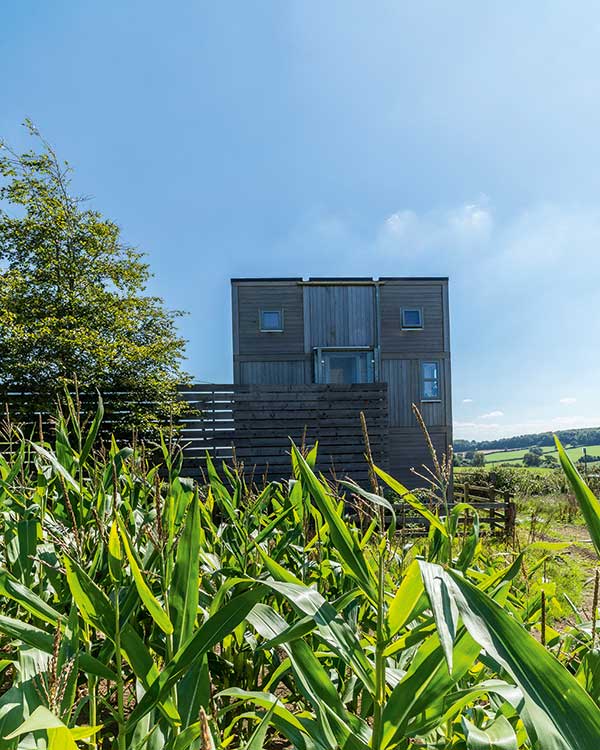
The annexe is such an improvement in size, shape and practicality compared to their quondam leaky garage. The Red cedar cladding is from Benchmark timber , the glass porch is from Optigen Technology
Hiring a projection manager when y'all extend a firm
A project manager, often the builder or pb builder, volition oversee the project to ensure it runs smoothly, on upkeep and to schedule. Or, you may wish to save money by running the extension projection yourself. Use our guide to how to projection manage an extension to observe out what y'all need to know about the procedure. And, either way, checking our calendar week-past-week extension planner will give you an understanding of the extension procedure and help yours exist built to schedule.
- To source materials, try BRE
- If y'all're looking for planning communication, effort The Planning Portal
How to extend a business firm: the design phase
Designing an extension doesn't but embrace how the extension'due south interior will await when completed; information technology besides encompasses details such every bit the roof'southward structure and peak; the outside materials used; door and window construction; and the extension's footprint. Here, we embrace everything you need to know most the practicalities – and, the fun bit, the extension's aesthetics.
Designing an extension's structure
It's of import to ensure that your extension'south pattern suits your needs during the planning process, equally it tin can be costly to brand changes further down the line. In that location are many options to consider, including:
There are few limits on the size of your extension's floor area unless it'south likely to comprehend more than half the garden (including any existing extensions and outbuildings). Yet, carry in mind that any extension that does swallow up a significant proportion of usable garden space may affect your home'south hereafter saleability.
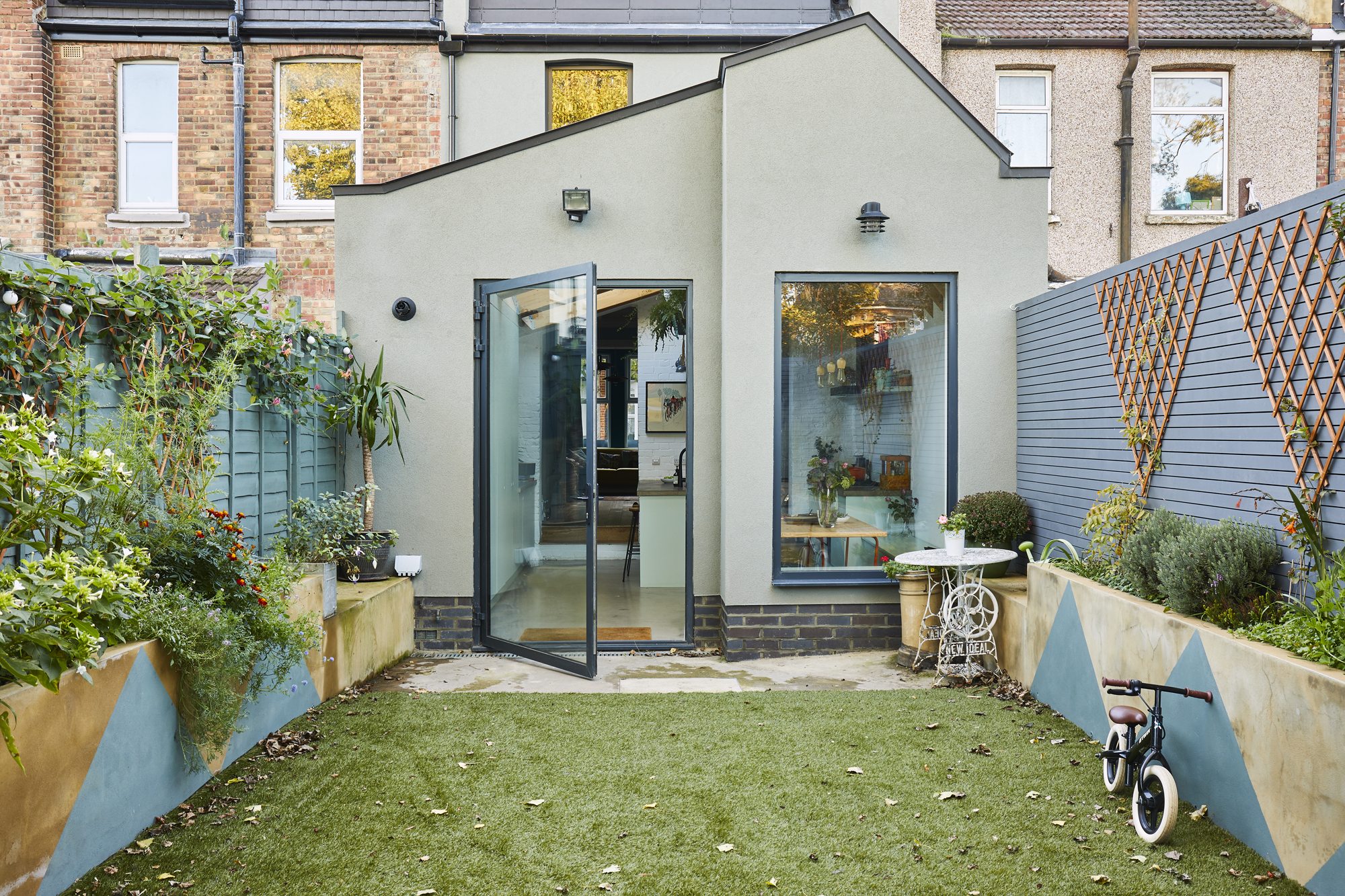
(Image credit: Chris Snook)
Designing an extension: deciding on its height
You're not normally immune to build higher than the existing house. However, side-extension roofs and walls ofttimes need to be set dorsum slightly from it (perhaps by 10cm to 15cm). Ensure that your extension'southward roof pattern flatters that of the original house – whether through matching materials, echoed roof lines or even through contrast. This function of your extension's design volition be looked at closely past planners.
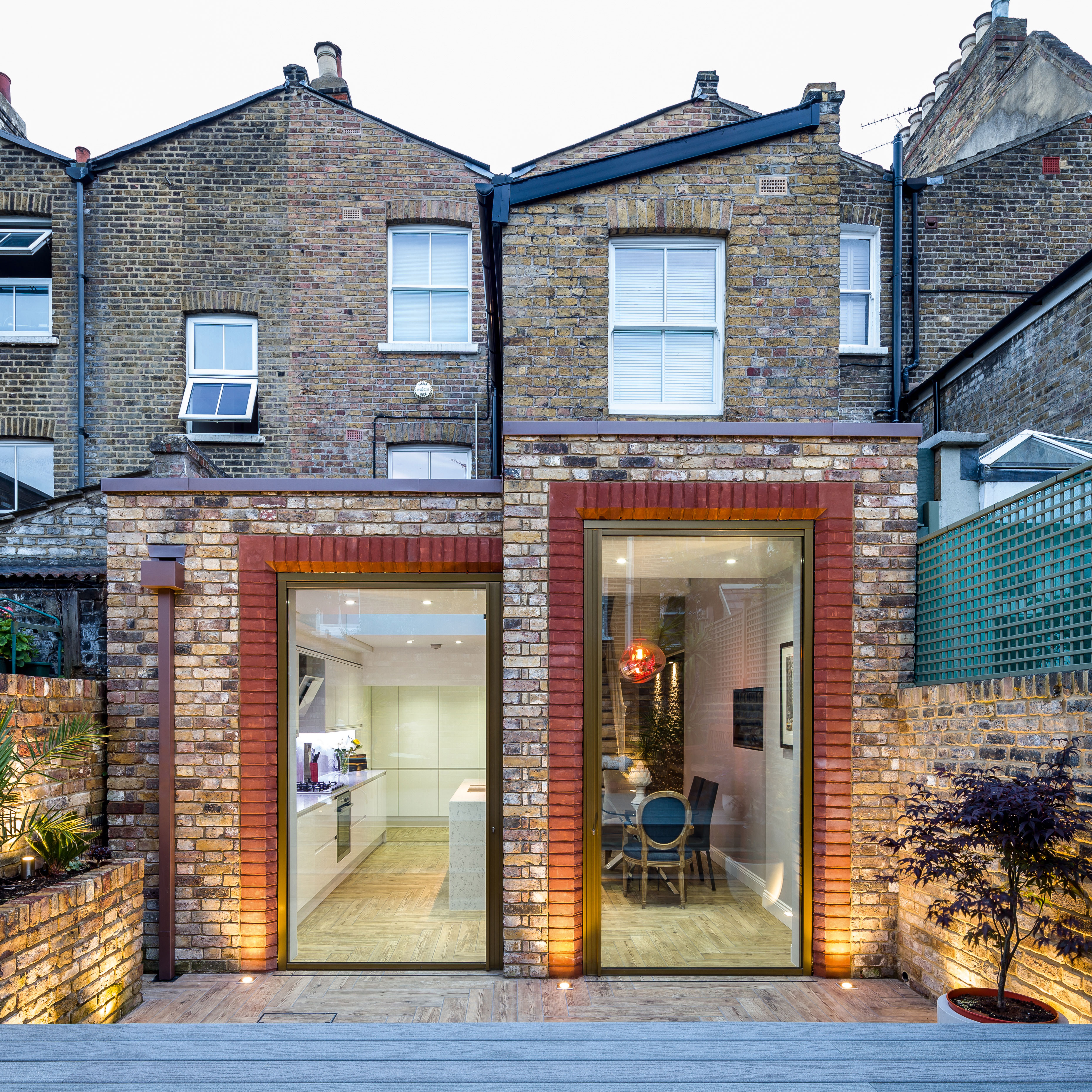
(Epitome credit: IQ Drinking glass Solutions)
Designing an extension: bigger doesn't mean improve
Don't recall almost your extension in terms of adding the maximum size you can fit in – or are permitted to. Instead, consider exactly what yous need for your extension and how y'all desire it to feel. Often, over-sized extensions atomic number 82 to over-sized rooms – usually kitchen diners – that feel unwelcoming and overly spacious. It's ameliorate to become the perfect floor plan laid out, and so piece of work backwards to ensure the extension's footprint is the right size for both your needs and the plot.
Designing an extension: matching information technology with your existing home
Exterior materials for your extension should exist chosen to either match those of the original house – think reclaimed bricks to make your extension expect like it'southward e'er been there – or picked to contrast with the original business firm, such as cladding and render or even glass.
'In that location are no hard-and-fast rules on what materials will be accustomed past the planning office. Information technology depends on the building, the area, local planning policy, and you – the homeowner,' says Hugo Tugman.
'It used to exist that planners generally wanted extensions to be in keeping with the original building, which led to a rash of pastiche additions to older buildings, but these days there is more than and more of a prevailing view that allowing an original building to be itself.
'Contrast does not have to mean shiny modern or hi-tech. Information technology is more often than not a good idea when extending an old edifice for the extension to play a quieter role to that of the original building, and it is quite possible to produce a relatively contemporary design that is modest and calm in its expression.'
Inside, try to think of your furniture choices for the interior and outside together. 'Choosing matching finishes, colours and textures for outdoor and indoor furniture is a peachy manner to keep a coherent look that flows from within the home and out into the garden or patio, for example,' says John Sims Hilditch, co-founder of Neptune.
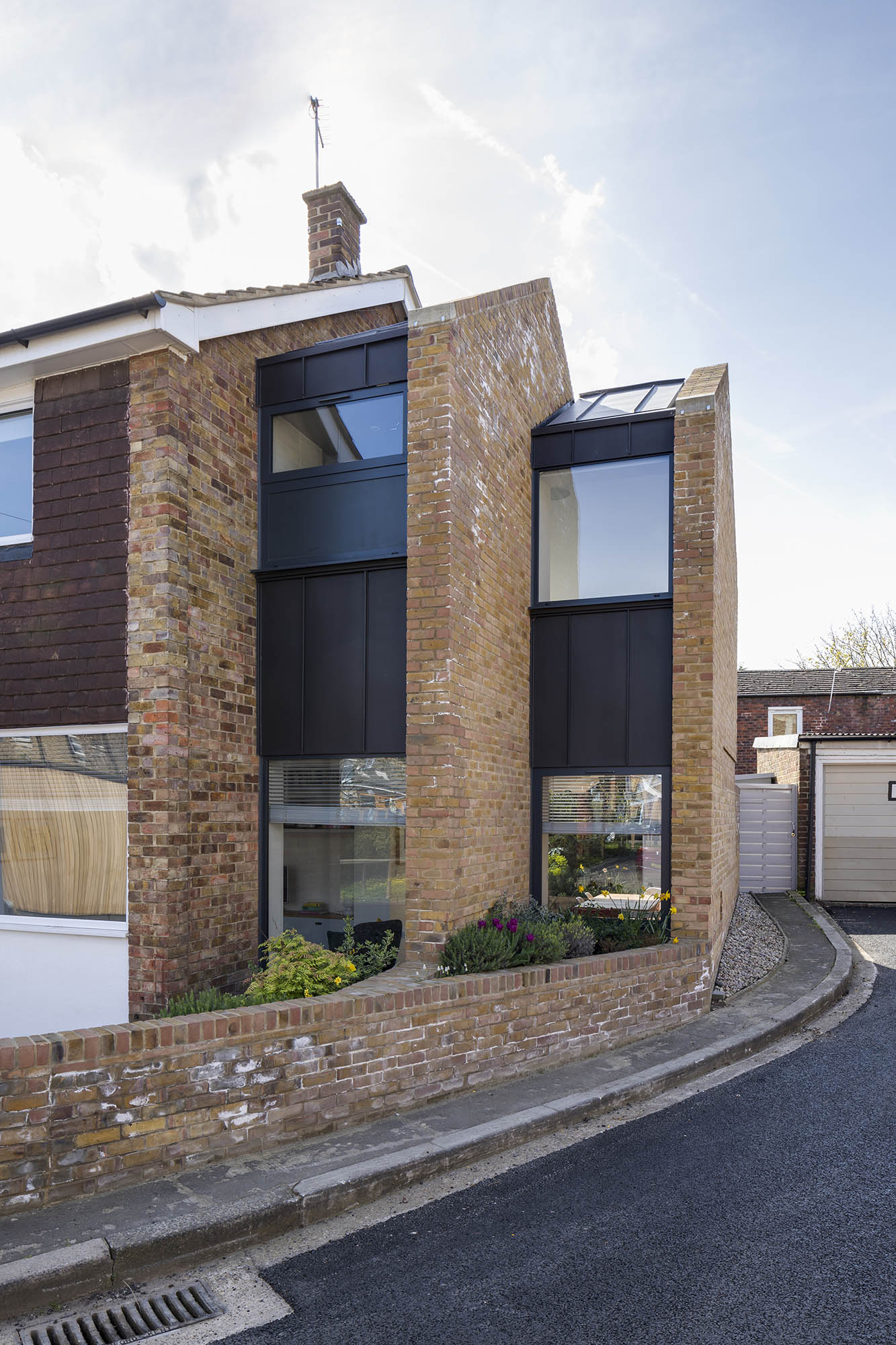
(Image credit: Chris Snook)
Designing an extension: contrasting it with your dwelling
Choosing contrasting materials for extensions is sometimes more adequate to planning departments and an builder tin help with this, but brand certain the contrast is complementary and not grating visually.
When Up Architects designed an extension for a South London home (below), providing a young family with a large open up-plan living space, they incorporated twin-hipped roofs to interruption upwards the bulk of the building and clad the walls and roofs with Kebony. Developed in Norway, Kebony starts out as sustainably-sourced softwood, which is then modified to make it stable and highly durable. It costs £60 per sq grand.
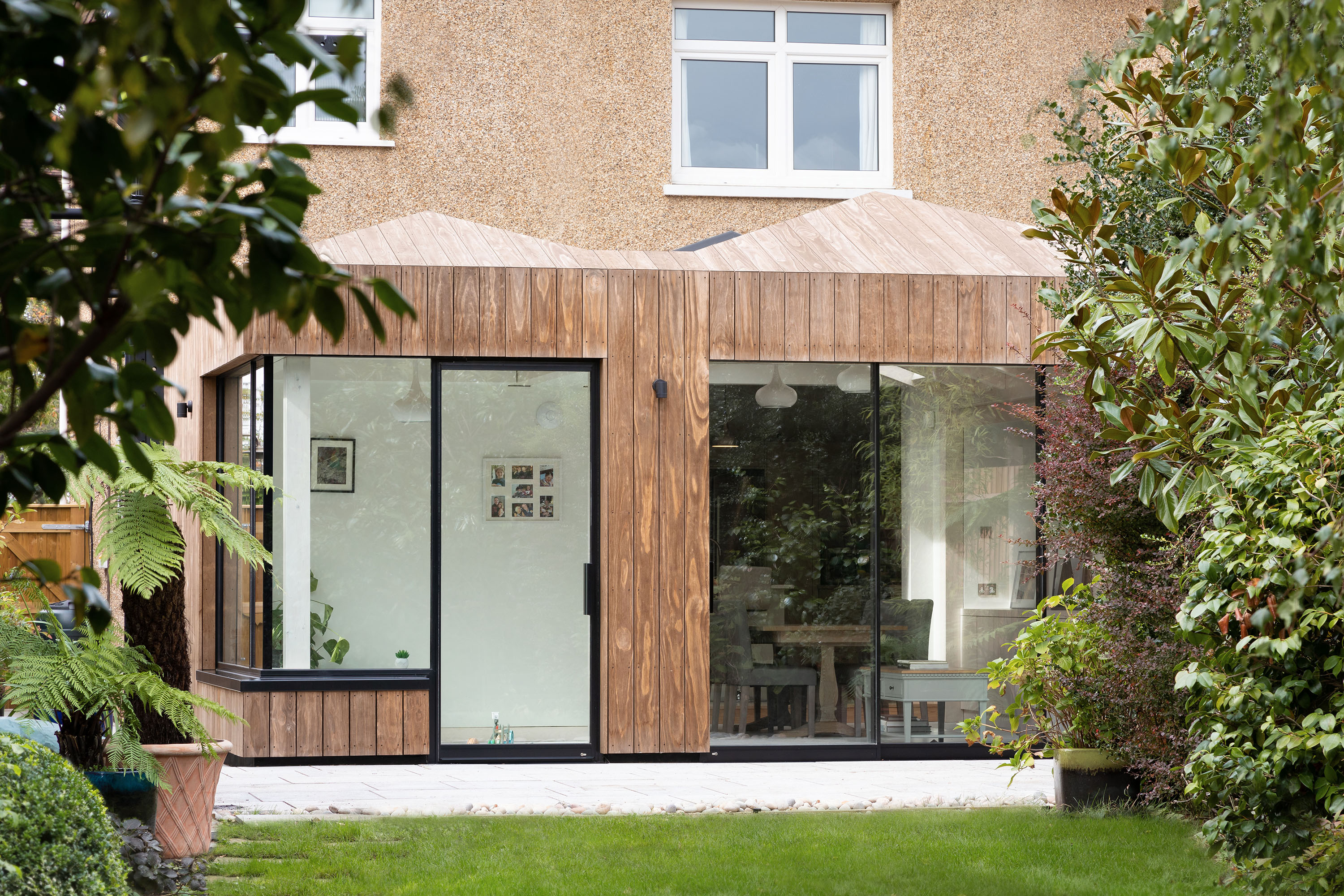
(Prototype credit: Adam Scott)
Calculation bespoke elements to an extension
(Epitome credit: William Eckersley/Ar'Chic)
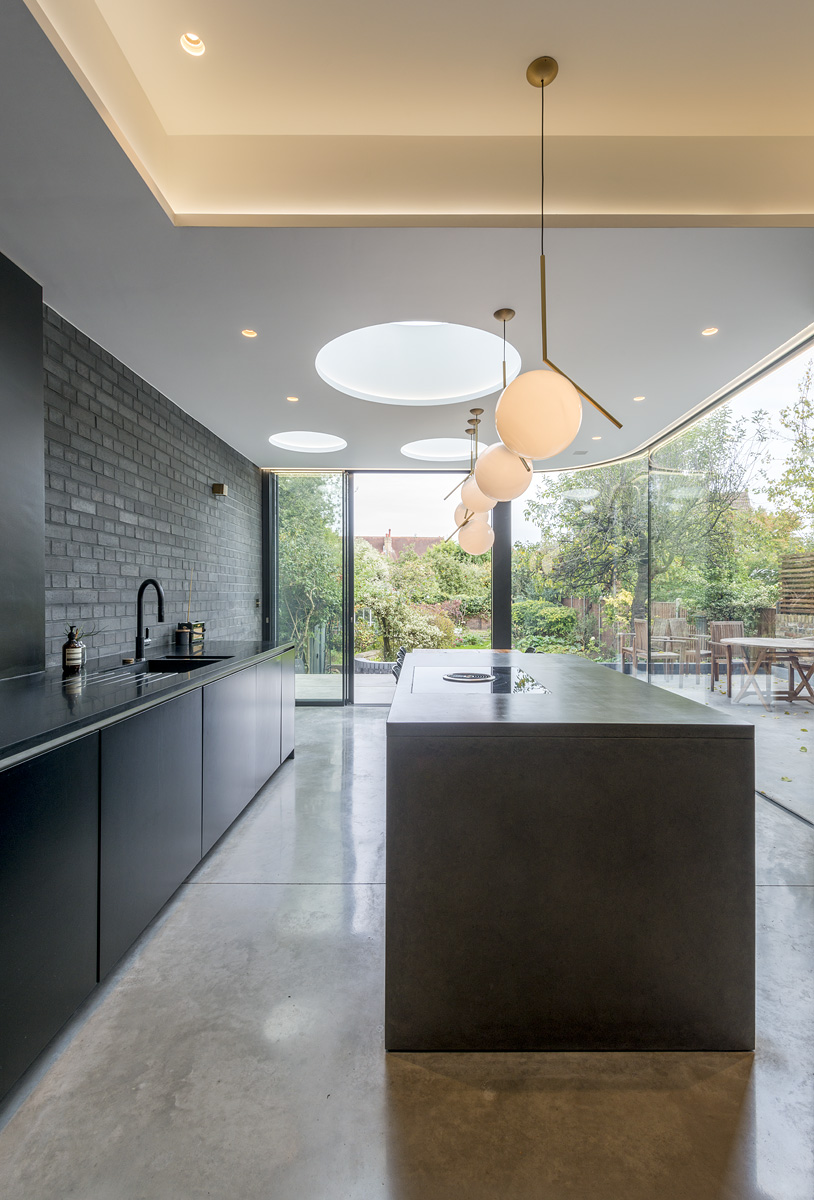
Adding bespoke elements when you lot extend a house doesn't come cheap. Considering they're produced individually rather than bachelor off the shelf, they're more expensive to industry, or might involve the skills of an individual artisan. Thus they can be bailiwick to delays, holding upwardly your building projection. However, information technology's worth paying the premium since they tin can add together massive appeal to an extension, both practically and visually.
Wait to pay more for bespoke solutions such as the outstanding metal-framed curve of glazing on this extension past Ar'Chic (above and below), which too includes circular rooflights, a green meadow on the roof and bespoke kitchen joinery. A similar project would cost around £190,000.
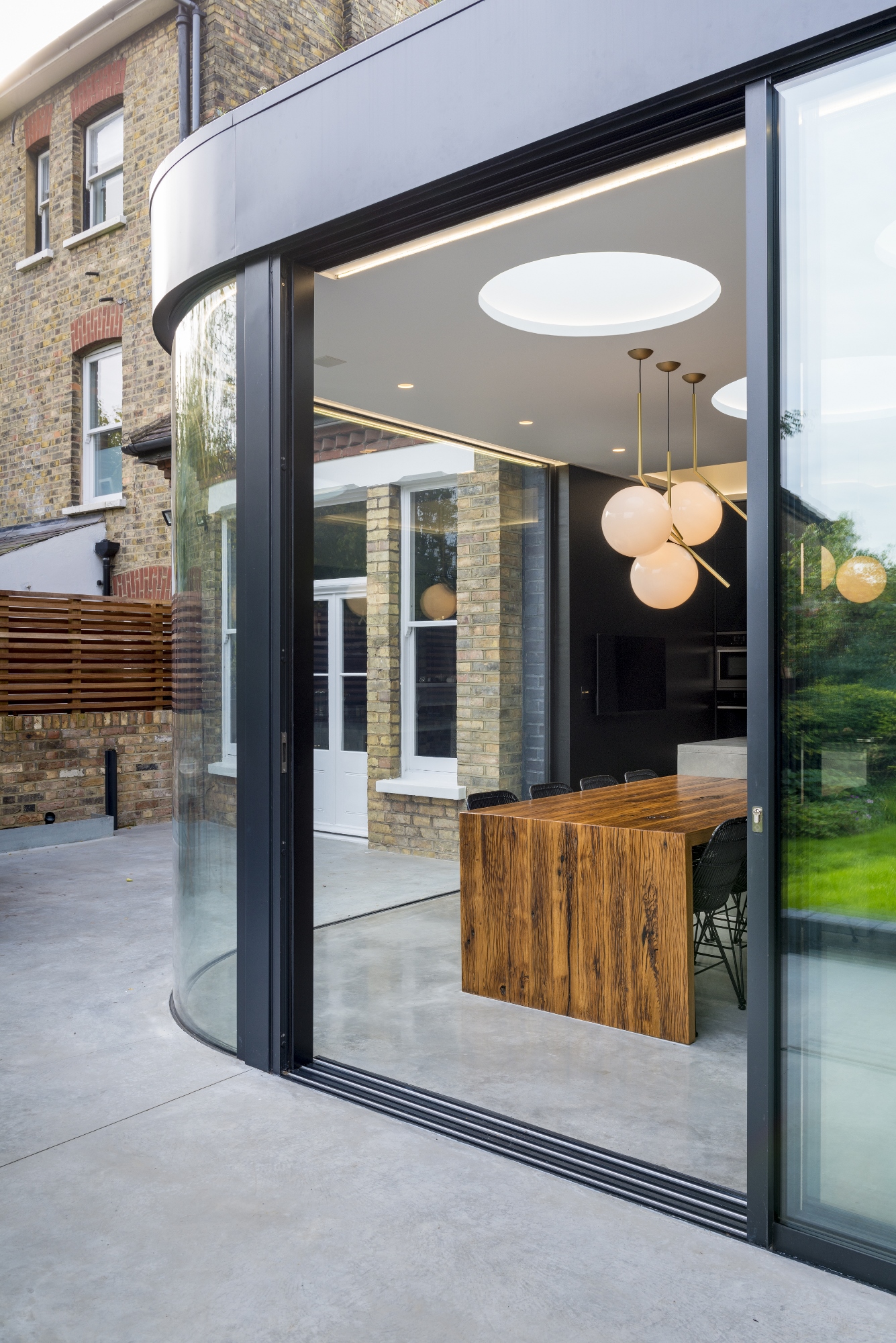
(Paradigm credit: William Eckersley/Ar'Chic)
Designing an extension: getting the interior correct
Ensuring the extension feels similar role of the original house – or like a wonderful addition – rather than something that's awkwardly bolted on is vital, and this will be nearly noticeable from inside. Renovations expert Michael Holmes suggests the following practiced tips so yous can get this right:
Maximise the opening between the existing space and new
The wider and taller the opening that links the two spaces, the more than they will experience like a single room.
All new openings will demand to exist spanned by joists, normally steel, to support the walls and floor above. The joist size and its supports should be calculated by a structural engineer (you can detect one via the Constitute of Structural Engineers at istructe.org). The smaller and less visible these elements, the more seamless the menstruation between old and new. In most instances it is possible to conceal the joist within the ceiling void, peculiarly if you're removing only a non-load-begetting partitioning wall.
Create a continuous ceiling level
The ceiling tiptop between old and new spaces should, ideally, exist the same. If they're dissimilar, yet, the higher ceiling can ofttimes be brought down by adding new battens and plasterboarding over the peak.
There is no minimum ceiling height under the Building Regulations, other than above staircases, but 2.three-ii.4m is standard. If this is not a practical solution, then it is best to take a smaller opening with a boxed bulkhead to muffle the step-in ceiling levels.
(Image credit: Katie Lee)
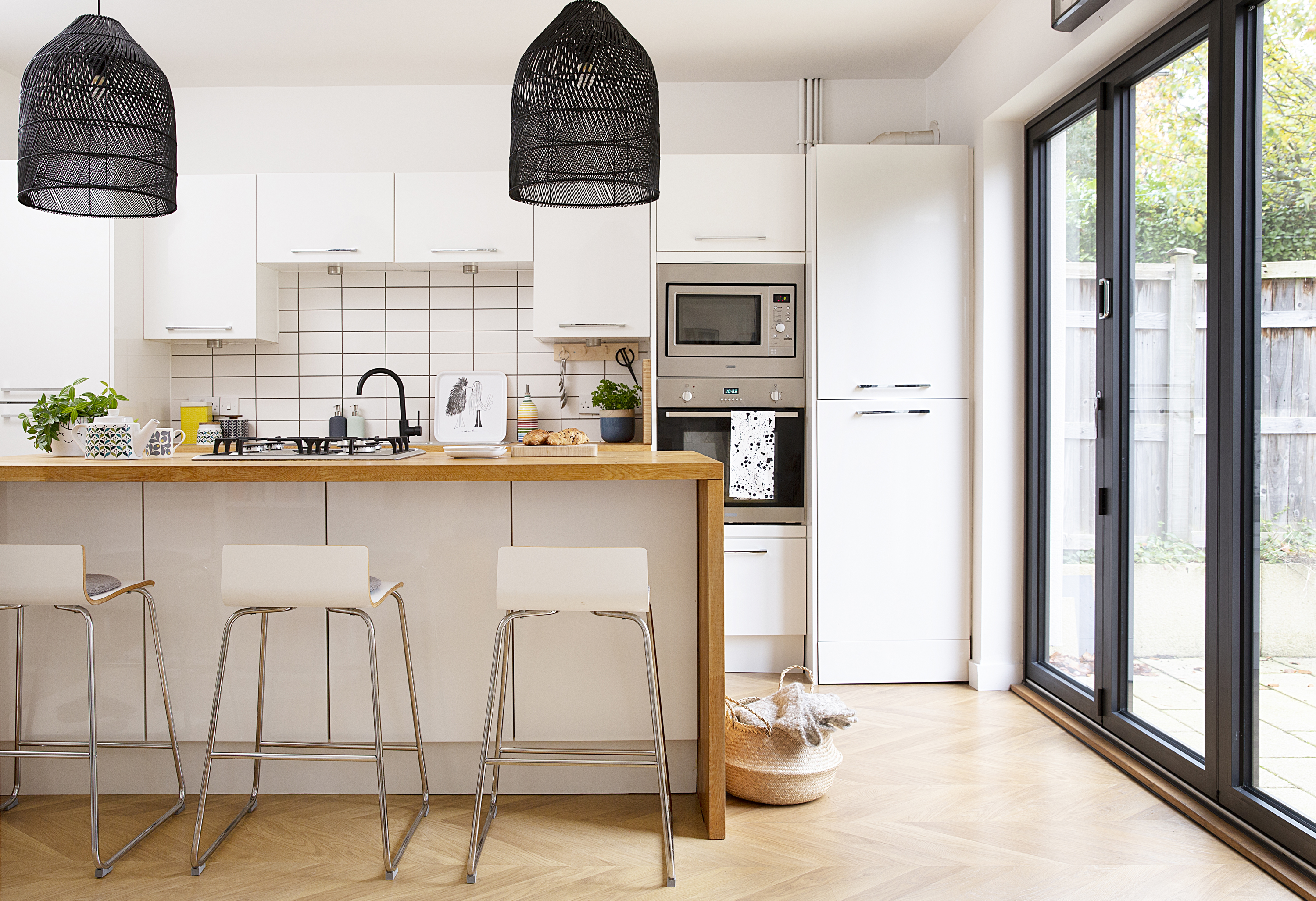
Make sure the flooring is laid at the same superlative
When setting out floor levels for an extension, it is of import to piece of work backwards from the finished flooring level in the existing belongings to ensure they will be identical once they're linked.
When you're remodelling, rather than extending, any differences in flooring level can be overcome by building up – oft using a quick-setting silicone floor screed. If the same level can't be easily achieved, it is best to create a full step, (H)19-22cm, rather than a minor difference that could end up existence a trip hazard for children.
Utilise matching finishes in existing and new spaces
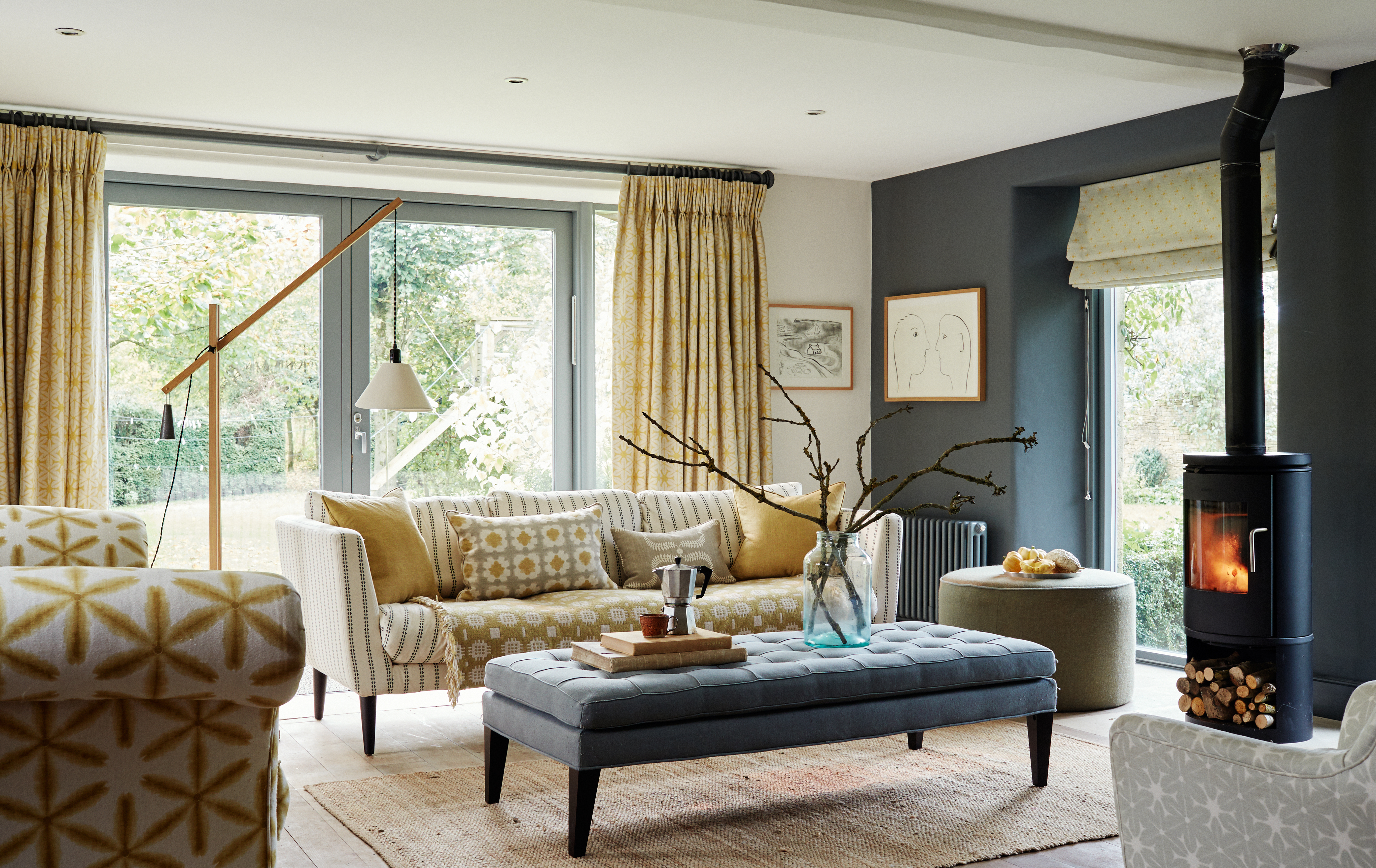
Old and new spaces tin can exist linked seamlessly past using the same floor fabric throughout. This principle also applies to the same architectural detailing such as windows, doors, skirting, architraves and coving; and the aforementioned décor, including colour schemes, flooring, defunction and piece of furniture.
Try to think of your furniture choices for the interior and exterior together. 'Choosing matching finishes, colours and textures for outdoor and indoor furniture is a great way to continue a coherent look that flows from within the home and out into the garden or patio,' says John Sims Hilditch, co-founder of Neptune.
How to create an open programme living space
If yous're designing an extension for a gimmicky dwelling house, it's probable that you'll be designing an open up program space.
'Open up programme or, more than oftentimes, semi-open plan living, is very popular, as it suits near people's modern lifestyle and enhances the sense and use of space within the domicile,' says Hugo Tugman. 'I do mostly encourage people to get this way; notwithstanding, at that place are a number of things to bear in mind when working out how best to utilise the infinite.
'It'southward ordinarily a expert idea to identify different zones inside your layout — such equally the kitchen, dining and living areas. The look and feel of your space tin can be fine-tuned by the extent to which the boundaries of these are divers or blurred, and at that place are lots of devices, such as continuing through or irresolute the flooring finish, for example, which can control this caste of separation.
'While walls can block upwards an open space, they can be helpful when it comes to positioning furniture, storage and radiators, for example. One of the reasons that underfloor heating works and so well in an open-plan space is because often at that place are not enough suitable walls on which to position radiators.'
Apply our guide to creating an open up program living space for more tips and inspiration.
Choosing doors and windows for extensions
Doors and windows for your new extension will affect its appearance both inside and out. Getting their positions, sizes and shapes, framing materials and sightlines just right will brand the new extension alloy with the original house, and can impact how much daylight reaches the room.
It's important to ensure both the windows' and doors' style and framing complements not simply your interior fittings – such as your kitchen design – just also the style and framing of your home'due south existing windows. Something equally unproblematic as having the exterior frames in the same paint shade as existing window frames tin assist the new extension blend with the original house.
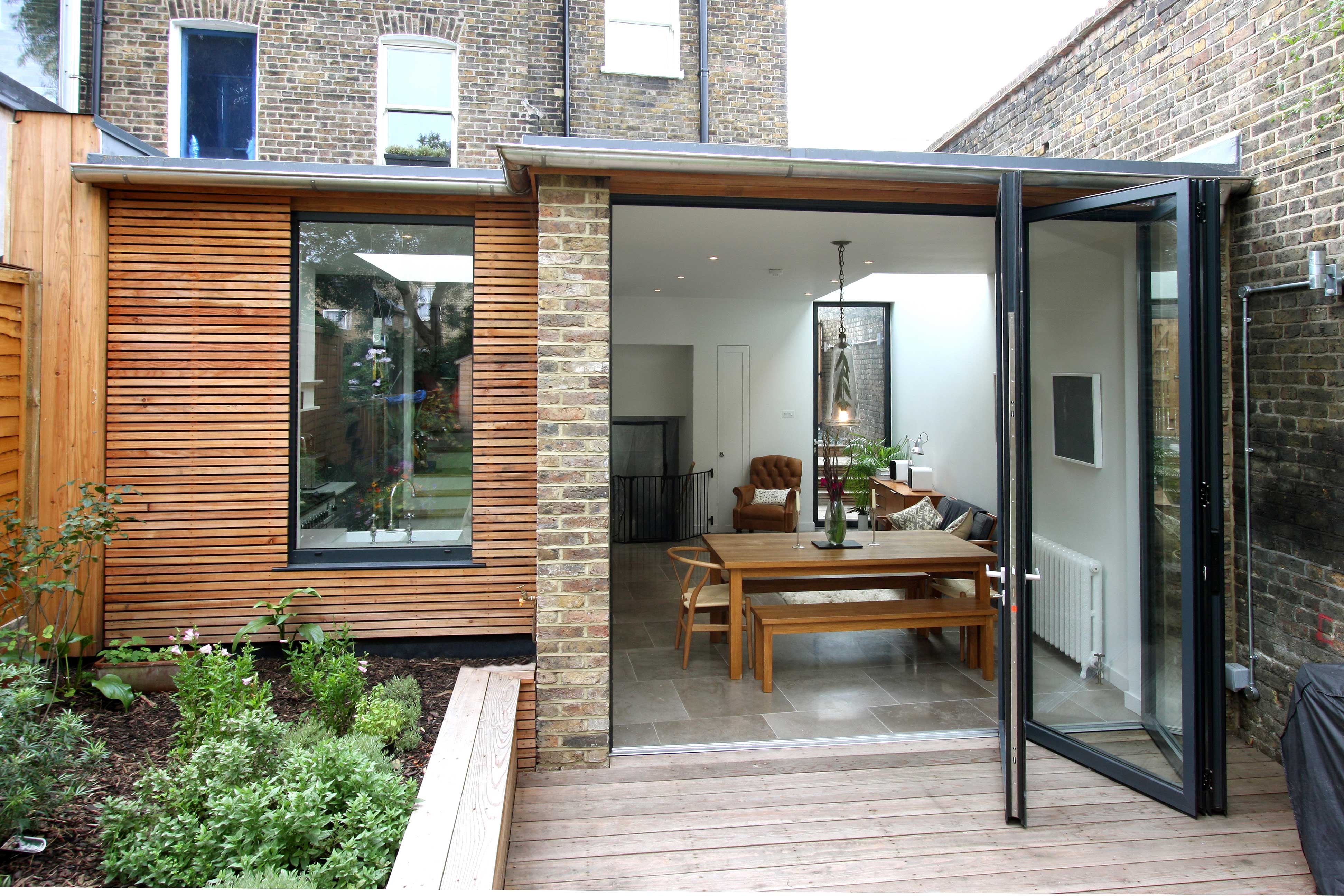
Opt for the widest panel possible when you're choosing bi-fold doors for uninterrupted outlooks to your garden infinite. 'The maximum console width for this door fashion is 1.2 metres, providing a large surface area of glass and maximising the view outside,' explains Neil Ginger, chief executive officer at Origin.
'There are a range of different options available for bi-fold doors in a 2 storey conversion, from two-door models through to large 8-door configurations, set-ups for bays and 90-degree corner sections,' continues Neil Ginger. 'The toll of doors varies simply, every bit a guide, a bespoke, aluminium design would cost from £ane,500 per door leaf.
'The space allowance for the doors to open outside depends entirely on their width, which tin be as narrow as 40cm, protruding less than half a metre outwards. You will need to permit just over a metre of space for doors with a width of one.2 metres.'
Read our guide to choosing windows sympathetic to period homes or get contemporary with metallic-framed windows.
Choosing bi-fold and sliding doors for an extension
When you're designing an extension, much of the focus of the new room volition be on the doors that open up out on to the garden.
'There are a range of different options available for bi-fold doors, from two-door models through to large eight-door configurations, ready-ups for bay arrangements and entire 90-degree corner sections,' explains Neil Ginger, CEO at Origin. 'The price of bi-fold doors varies but, as a guide, a bespoke, aluminium blueprint would cost from £1,200 per door leaf.
'The space allowance for the doors to open outside depends entirely on their width. Bi-fold doors can be as narrow as 40cm, protruding less than half a metre outwards, while yous will need to allow only over a metre of space for doors with a width of 1.2 metres.
'Doors that open up inwards are platonic for projects where space outside is limited — on a balcony, for example. In the majority of cases, it is recommended that outward-opening doors are chosen to forestall any rainwater from coming into the home when the doors are opened after it'southward been raining.'
Bi-fold doors can also exist installed internally, as the depression threshold of the design can create a seamless transition from one room to another.'
Find out more and get inspiration for your extension with our guide to choosing bi-fold and sliding doors.
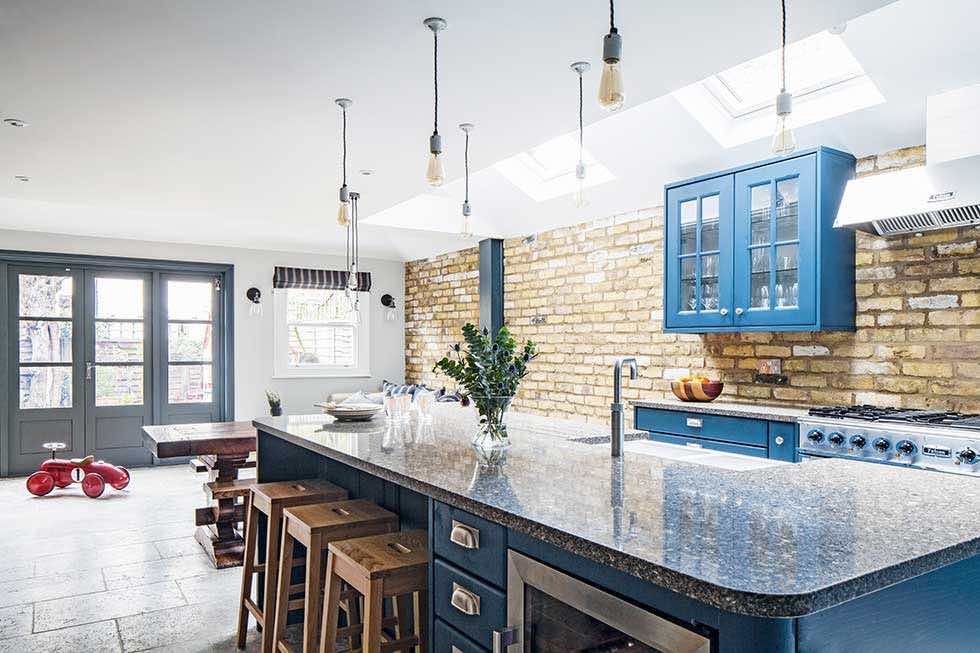
Ways to add infinite without having to extend out
If you decide an extension is non for yous, at that place are even so other ways to add the space y'all demand:
- From remodelling the layout to loft conversion, we show you lot how to add value to your abode by working with what you lot've got.
- If a joined extension is out of the question, you might want to add a detached extension in the form of an annexe or a garden outbuilding.
- Possibly you lot already have the space in an unused garage? A garage conversion can bring you lots of new living space at a fraction of the cost of a unmarried storey extension.
More extension and renovation design help:
- House extensions for every budget
- House renovation: an essential guide
- Loft conversion costs: a breakdown

Source: https://www.realhomes.com/advice/extending-a-house-the-ultimate-guide-for-your-house-extension
Posted by: nolangoormes.blogspot.com
0 Response to "How To Draw A Plan For House Extaension"
Post a Comment